မူလစာမ်က္ႏွာ၊ ကဗ်ာ၊ဟာသ၊ ၀တၳဳ၊ ေဆာင္းပါး၊ ခရီးသြား၊ ခံစားမႈ၊ ဘာသာျပန္

Wednesday, September 26, 2012

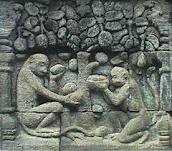
The Traders of Seriva Seri-Vanija Jataka

            It was while staying in Savatthi that the Buddha told this story to encourage a disheartened bhikkhu to persevere so that he would have no regrets in the future. "If you give up your practice in this sublime teaching which leads to Nibbana," the Buddha told him, "you will suffer long, like the trader of Seriva who lost a golden bowl worth one hundred thousand cons."
            When asked to explain, the Buddha told this story of the distant past.
            Five eons ago, the Bodhisatta was an honest trader selling fancy goods in the kingdom of Seriva. Sometimes he travelled with another trader from the same kingdom, a greedy fellow, who handled the same wares.
            One day, the two of them crossed the Telavaha River to do business in the bustling city of Andhapura. As usual, to avoid competing with each other, they divided the city between them and began selling their goods from door to door.
            In that city, there was a ramshackle mansion. Years before, the family had been rich merchants, but, by the time of this story, their fortunes had dwindled to nothing, and all the men of the family had died. The sole survivors were a girl and her grandmother, and these two earned their living by working for hire.
            That afternoon, while the greedy peddler was on his rounds, he came to the door of that house, crying, "Beads for sale! Beads for sale! Beads for sale!
            When the young girl heard his cry, she begged, "Please buy me a trinket, Grandmother."
            "We're very poor, dear. There's not a cent in the house, and I can't think of anything to offer in exchange."
            The girl suddenly remembered an old bowl. "Look!" she cried. "Here's and old bowl. It's of no use to use. Let's try to trade it for something nice."
            What the little girl showed her grandmother was an old bowl which had been used by the great merchant, the late head of the family. He had always eaten his curries served from this beautiful, expensive bowl. After his death, it had been thrown among the pots and pans and forgotten. Since it hadn't been used for a very long time, it was completely covered with grime. The two women had no idea that it was made of gold.
            The old woman asked the trader to come in and sit down. She showed him the bowl and said, "Sir, my granddaughter would like a trinket. Would you be so kind as to take this bowl and to give her something or other in exchange?
            The peddler took the bowl in his had turned it over. Suspecting its value, he scratched the back of it with a needle. After just one covert look, he knew for certain that the bowl was really made of gold.
            He sat there, frowning and thinking, until his greed got the better of him. At last, he decided to try to get the bowl without giving the woman anything whatever for it. Pretending to be angry, he growled, "Why did you bring me this stupid bowl? It isn't worth even one cent!" He threw the bowl to the floor, got up, and stalked out of the house in apparent disgust.
            Since it had been agreed between the two traders  that the one might try the streets which the other had already covered, the honest peddler came later into that same street and appeared at the door of the house, crying, "Beads for sale!"
            Once again, the young girl made the same request of her grandmother, and the old woman replied, "My dear, the first peddler threw our bowl on the ground and stormed out of the house. What have we got left to offer?"
            "Oh, but that trader was nasty, Grandmother. This one looks and sounds very kind. I think he will take it."
            "All right, then. Call him in."
            When the trader came into the house, the two women gave him a seat and shyly put the bowl into his hands. Immediately recognizing that the bowl was gold, he said, "Mother this bowl is worth one hundred thousand coins. I'm sorry, but I don't have that much money."
            Astonished at his words, the old woman said, "Sir, another peddler who came here a little while ago said that it was not worth anything. He got angry, threw it on the floor, and went away. If it wasn't valuable then, it must be because of your own goodness that the bowl has turned into gold. Please take it, and just give us something or other for it. We will be more than satisfied.
            At that time, the peddler had only five hundred coins and goods worth another five hundred. He gave everything to the women, asking only to keep his scales, his bag, and eight coins for his return fare. Of course, they were happy to agree. After profuse thanks on both sides, the trader hurried to the river with the golden bowl. He gave his eight coins to the boatman and got into the boat.
            Not long after he had left, the greedy trader returned to the house, giving the impression of having reluctantly reconsidered their offer. He asked them to bring out their bowl, saying that he would give them something or other for it, after all.
            The old woman flew at him. "You scoundrel! she cried. "You told us that our golden bowl was not worth even one cent. Lucky for us, an honest peddler came after you left and told us that it was really worth one hundred thousand coins. He gave us one hundred thousand coins for it and took it away, so you are too late!"
            When the trader heard this, an intense pain swept over him. "He robbed me! He robbed me! he cried. "He got my golden bowl worth one hundred thousand coins!" He became hysterical and lost all control. Throwing down his money and merchandise, he tore off his shirt, grabbed the beam of his scales like a club, and ran to the riverside to catch the other trader.
            By the time he got to the river, the boat was already in midstream. He shouted for the boat to return to shore, but the honest trader, who had already paid, calmly told the ferryman to continue on.
            The frustrated trader could only stand there on the rive-bank and watch his rival escape with the bowl. The sight so infuriated him that a fierce rage welled up inside. His heart grew not, and blood gushed from his mouth. Finally, his heart cracked like the mud at the bottom of a pond dried up by the sun. So intense was the unreasoning hatred which he developed against the other trader because of the golden bowl that he perished then and there.
            The honest trader returned to Seriva, where he lived a full life spent in generosity and other good deeds and passed away to fare according to his deserts.
            Having concluded his story, the Buddha identified the birth: "At that time, Devadatta was the greedy trader, and I was the honest trader. This was the beginning of the implacable grudge which Devadatta has held against me through innumerable lives."

Sunday, August 19, 2012

ေဒါက္တာနတ္ပြဲ

သေျပပင္ရြာမွ သာယာၾကည္ႏူးစရာ ညအခါ


ကြ်န္ဳပ္နဲ႔ သူငယ္ခ်င္း ဦးနႏၵိယတို႔ အိႏၵိယမွာ Ph.D ၀င္ခြင့္ေျဖထားတာ။ ေဂဇက္မထြက္ေသးတာနဲ႔ မိတၳီလာၿမိဳ႕ေပၚမွာ ႏုိင္ငံျခားသူ၊သားေတြနဲ႔ ခြဲျခမ္းစိတ္ျဖာ ဓမၼအဂၤလိပ္စာ သင္တန္းေတြ အကုန္အက်ခံၿပီး ဖြင့္ျဖစ္ပါတယ္။ ဌာနဆိုင္ရာေတြက ႏုိင္ငံျခားသားေတြ ခုလုိ စုရုံးစုရုံးလုပ္တာကို မႀကိဳက္ပါဘူး။ 

သူတုိ႔က မၾကာခဏ စစ္လား၊ ေဆးလား၊ လုပ္လိုလုပ္၊ ျပန္ပို႔ခိုင္းလုိ႔ ခိုင္း၊ ရဲေတြနဲ႔ ၀ိုင္းလုိ႔ ၀ုိင္း၊ ဖုန္းေတာက္ေလွ်ာက္ ဆက္လုိ႔ဆက္၊ အမ်ိဳးမ်ိဳး စိက္ပ်က္ေအာင္ လုပ္ပါတယ္။   

ဒါနဲ႔ ညည ကားနဲ႔ အသာထြက္သြားၿပီး မိတၳီလာနယ္နိမိတ္အလြႏ္ျဖစ္တဲ့ သေျပပင္ရြာကို သြားသြား အိပ္ၾကပါတယ္။ အဲဒီရြာက မိတၳီလာၿမိဳ႕နဲ႔ နီးတဲ့ ေရႊလွံေညာင္အုိင္လမ္းခြဲမွာ ရွိပါတယ္။ ေန႔မွာ မိတၳီလာၿမိဳ႕ေပၚသင္တန္းသြားျပ၊ ညမွာ သေျပပင္ရြာ ျပန္ျပန္အိပ္။

ရြာသူ၊ ရြာသားေတြက မိမိတုိ႔ကုိ သိပ္မၾကည္ၾကဘူးထင္တယ္။ သူတုိ႔ိက နတ္ပြဲလုပ္ေပးေစခ်င္တာ။ မိမိတုိ႔က မလႈပ္။ အရင္ဆရာေတာ္ ဦးဥတၱမသာရက နတ္ပြဲေတြလုပ္ေပးရင္း ဒီဘုရားေတြကို တည္သြားတာပါ။ မုိးမရြာလုိ႔ မိမိတုိ႔ကုိ နတ္ကနားေပးဖုိ႔ စီစဥ္ဖုိ႔ ေလွ်ာက္ေတာ့ ျငင္းလုိက္တယ္။ သူတုိ႔က မိမိတုိ႔ကို ခင္မင္ေဖာ္ေရြမႈ မေပးၾကပါဘူး.........။

Dhamma Vibhajja English Class, at Texitile Mill Factory in Meikhtila town

မိတၳီလာ၊ တပ္မေတာ္ခ်ည္မွ်င္စက္ရုံမွ ၀န္ထမ္းမ်ား၊ အရာရွိမ်ားအား ၀ါတြင္းကာလ အဂၤလိပ္စာ သင္တန္း အရည္အခ်င္း စစ္ေဆးေနစဥ္......................

Sunday, August 12, 2012

Photo Article


We need to educate for Happy & Simple New Generations
Farewell & Honoring certificate of Analytical Dhamma Vibhijja English Class in Meiktila, 31.7.2012

Sunday, June 10, 2012

“ေျမကမၻာ ေႂကြမွာ စိုးတဲ့ည”


        ခုတေလာ စာေတြလည္း မေရးျဖစ္ေတာ့ပါဘူး။ ပုိ႔စ္ေတြလည္း မတင္ျဖစ္ေတာ့ပါဘူး။ အိႏၵိယေႏြရဲ႕ပူျပင္းမႈကို ေရွာင္ရင္း က်န္းမာေရးမေကာင္းတာနဲ႔ အမိျမန္မာျပည္ရဲ႕ ရင္ခြင္ထဲ ျပန္လည္ခုိ၀င္ေနမိပါတယ္။ ျမန္မာျပည္အလည္ပုိင္း၊ မေကြးတုိင္းက ဇာတိဌာေန အညတရေတာရြာေလးမွာ အခ်ိန္ကုန္ေနမိတယ္။
          
 ရြာသူရြာသားမ်ားကလည္း အပူဒဏ္ေရွာင္ဖုိ႔ရန္ ဘုန္းႀကီးေက်ာင္းမွာ လာေရာက္ခိုေအာင္းေနၾကပါတယ္။ မိဘမ်ားကလည္း ေနကပူ ကေလးေတြက ေဆာ့ဆိုေတာ့ နားၿငီးဒဏ္ သက္သာေစရန္ ကေလးမ်ားကုိ ဘုန္းႀကီးေက်ာင္းလြတ္ထားၾကျပန္ေရာ။ အခ်ိဳ႕ကေလးေတြကိုေတာ့ အမွန္တကယ္ ယဥ္ေက်းမႈစာေပေတြ သင္ယူေစခ်င္လုိ႔ ေက်ာင္းကို ပို႔လုိက္တာပါ။
           
အခ်ိန္လည္း အက်ိဳးရွိရွိကုန္ေစရန္၊ သူတုိ႔အတြက္လည္း ကုသုိလ္ေတြရၿပီး ဗဟုသုတ တုိးပြားေစရန္ ဗုဒၶတရားေတာ္မ်ားကုိ ေခတ္နဲ႔ႏႈိင္းယွဥ္ၿပီး ေန႔စဥ္ရွင္းလင္းေဟာျပလိုက္ပါတယ္။ ကေလးငယ္မ်ားကုိလည္း ယဥ္ေက်းမႈနဲ႔ သင္ပုန္းႀကီးဖတ္စာမ်ားကို စိတ္ရွည္ရွည္ထားၿပီး ေခြ်းတလုံးလုံးနဲ႔ ေအာ္လုိက္၊ ေငါက္လုိက္၊ ေခ်ာ့လုိက္၊ ေခ်ာက္လုိက္နဲ႔ သင္ေပးလုိက္ပါတယ္။ လူငယ္ေတြကလည္း ညစဥ္လာၿပီး ဟုိဟုိဒီဒီေမးၾကျမန္းၾကနဲ႔ စကားလာလာေျပာၾကပါတယ္။ သူတုိ႔နဲ႔ ေဟာျဖစ္၊ ေျပာျဖစ္တဲ့အေၾကာင္းအရာေတြ အကုန္ၿခံဳလုိက္ရင္ "ရာသီဥတု ပူျပင္းလာၿပီး မိုးေခါင္လာေၾကာင္း၊ ဒီလိုနဲ႔ ကမၻာႀကီးပ်က္စီးသြားႏုိင္ေၾကာင္း"ဆုိတာေတြပါပဲ။

ဒီဃနိကာယ္လာ စကၠ၀တၱိသုတၱန္၊ အဂၢညသုတၱန္ေတြ၊ အဂုၤတၱရနိကာယ္လာ ပေလာက သုတၱန္ေတြကုိ အေျခခံၿပီး ေခတ္ဗဟုသုတေတြနဲ႔ ႏႈိင္းယွဥ္ကာ ေျမကမၻာေၾကြမွာ စုိးရိမ္ရေၾကာင္း၊ ရာသီဥတုေတြ ေဖာက္ျပန္လာေၾကာင္းေတြကို ရွင္းလင္းေဟာျပလိုက္ပါတယ္။ ပေလာကသုတ္မွာ လူသားေတြဟာ အႏွစ္ငါးရာက စၿပီး အဓမၼရာဂ၊ ၀ိသမေလာဘနဲ႔ မိစၦာဓမၼေတြကို က်င့္သုံးလာေၾကာင္း၊ အဓမၼရာဂဆုိတာ သဘာ၀နဲ႔ဆန္႔က်င္တဲ့ ျပင္းထန္တဲ့ တဏွာ ရာဂစိတ္ေတြျဖစ္ေၾကာင္း၊ သားက အမိကုိ၊ အေဖက သမီးကုိ၊ လိင္တူခ်င္းခ်င္းကုိ က်ဴး လြန္ ခ်င္တဲ့ ရာဂစိတ္(honosexuality) ေတြျဖစ္ေၾကာင္း၊ အေမရိကန္က သမၼတအုိဘားမားကလည္း လိင္တူခ်င္း ေပါင္းသင္းဆက္ဆံတာကုိ ေထာက္ခံေၾကာင္းေတြကို ရွင္းလင္းေဟာျပျဖစ္ပါတယ္။

ဆက္ၿပီး ပေလာကသုတ္ကုိ ရွင္းျပလုိက္ပါတယ္။ ပေလာကဆုိတာ ပ်က္စီးတာကို ဆုိလုိေၾကာင္း၊ ပေလာကသုတ္ထဲမွာ ပုဏၰားႀကီးတစ္ဦးက ျမတ္စြာဘုရားကုိ "ဒီကမၻာႀကီးက ေရွးတုန္းက ေအးခ်မ္းသာယာၿပီး ခုေတာ့ ပူေလာင္ဆူပြက္မႈေတြနဲ႔ ပ်က္စီးေနတာဟာ ဘာေၾကာင့္လဲ" လုိ႔ ေမးျမန္းေလွ်ာက္ထားရာ ျမတ္စြာဘုရားက အဓမၼရာဂ၊ ၀ိသမေလာဘ၊ မိစၦာဓမၼေတြ ထြန္းကားလာလုိ႔ျဖစ္ေၾကာင္း၊ အဲဒီတရားေတြ ထြန္းကားလာလို႔ ကပ္ေတြ ဆုိက္ေရာက္လာတာျဖစ္ေၾကာင္းကုိ ရွင္းလင္းေဟာျပလုိက္ပါတယ္။

ခရစ္ႏွစ္ ၂၀၀၀ ေက်ာ္ေလာက္က “XF 11 လုိ႔ေခၚတဲ့ ဥကၠာပ်ံႀကီးတစ္ခုဟာ ဒီကမၻာေျမ ေပၚက်လာႏုိင္ေၾကာင္း၊ အဲသလုိ က်လာရင္ အႏၱရာယ္ဘယ္ေလာက္ႀကီးေၾကာင္း” စတဲ့ အေၾကာင္းအရာေတြကို ဂ်ာနယ္၊ မဂၢဇင္းစတဲ့ သတင္းမီဒီယာေတြကတစ္ဆင့္ သိခြင့္ရလာပါ တယ္။ လြန္ခဲ့တဲ့ ႏွစ္ေပါင္း(၆၅)ေလာက္က မကၠဆီကိုႏုိင္ငံရဲ႕ ေျမာက္ဘက္စြန္း ကၽြန္းဆြယ္မွာ (၁၃) ကီလိုမီတာ၊ မုိင္အေနနဲ႔ ခုႏွစ္မုိင္ေလာက္ အက်ယ္ရွိတဲ့ ဥကၠာပ်ံႀကီးတစ္ခု ထိမွန္ခဲ့လို႔ (၁၉၅) ကီလိုမီတာ ေလာက္ရွိတဲ့ ခ်ိဳင့္၀ွမ္းႀကီးျဖစ္သြားေၾကာင္း၊ အဲဒီထိမွန္မႈေၾကာင့္ ကမၻာမွာ ဒုိင္ႏုိေဆာ သတၱ၀ါႀကီးေတြနဲ႔ တျခားသက္ရွိသတၱ၀ါ (၇၀)ရာခုိင္ႏႈန္းေလာက္ ေပ်ာက္ကြယ္ခဲ့ရေၾကာင္း” သာဓကေတြကိုလည္း ဖတ္႐ႈမိလာတယ္။

ေနာက္ထပ္ ကမၻာမွာ ေတာင္ကုန္း၊ ေတာင္ေစာင္းေလာက္ႀကီးမားတဲ့ ဥကၠာပ်ံေတြ (၁၀၀၀)မွ (၄၀၀၀) ေလာက္ရွိႏိုင္ေၾကာင္းကို အေမရိကန္နာဆာေခၚ အာကာသေလ့လာေရးအဖြဲ႔က ခန္႔မွန္းထားေၾကာင္း၊ လူတုိ႔ေျခရာ ေကာက္ႏုိင္သည္မွာ (၂၀၀)ပင္ မျပည့္တတ္ေသးေၾကာင္း၊ ေပ (၃၀၀) ေလာက္က်ယ္တဲ့ အစုိင္အခဲေတြမွာ သုံးသိန္းေလာက္ရွိေၾကာင္း၊ (၁၉၀၈)ခုႏွစ္က ႐ုရွားႏုိင္ငံ၊ ဆုိက္ဗီးရီးယားေဒသ၊ လူသူေနထုိင္မႈမရွိတဲ့ တြန္ဂူးဆကားနယ္ေျမမွာ အဲသေလာက္ ပမာဏရွိတဲ့ ဥကၠာပ်ံႀကီး က်ဖူးေၾကာင္း၊ ေတာမီးေတြေလာင္ၿပီး သားေကာင္ေတြ မ်ားစြာဆုံး႐ႈံးသြားခဲ့ဘူးေၾကာင္း၊ တကယ္လုိ႔ ၿမိဳ႕တစ္ၿမိဳ႕ေပၚမွာ က်ေရာက္ခဲ့ရင္ လူေပါင္းေထာင္ေသာင္းခ်ီၿပီး အသက္ဆုံး႐ႈံးႏုိင္ေၾကာင္း၊ ေနာက္ၿပီး အေမရိကန္ႏုိင္ငံ၊ အရီဇုိးနားျပည္ နယ္ထဲမွာ လြန္ခဲ့တဲ့ႏွစ္ေပါင္း (၅၀၀၀၀) ခန္႔က က်ခဲ့တဲ့ ဥကၠာပ်ံႀကီးေၾကာင့္ တစ္ကီလုိမီတာ ႏုတ္ခမ္းေလာက္က်ယ္ၿပီး မီတာ (၂၁၀) ေလာက္နက္တဲ့ ဒယ္အုိးပုံတြင္းႀကီး ျဖစ္သြားေၾကာင္းကို အေသးစိတ္ ေလ့လာေရးသား တင္ျပထားတဲ့ သတင္းေတြ ဖတ္ရေတာ့ ထိတ္လန္႔မႈေတြေရာ ရင္သပ္႐ႈေမာမႈေတြကိုပါ ခံစားရင္း အံ့ၾသခဲ့ရပါတယ္။

ဤအရွင္ မႏၱေလးၿမိဳ႕၊ မစိုးရိမ္တုိက္သစ္မွာ စာေပေလ့လာေနစဥ္ တစ္ညခ်မ္းကေပါ့။ ဘုရား၀တ္တက္ရွိခိုးအၿပီး ဆရာေတာ္ဦးရာဇဓမၼာဘိ၀ံသက သံဃာေတြကို ၾသ၀ါဒေပးရင္း (၁၉၈၆) ခုႏွစ္က ႐ုရွားႏုိင္ငံမွာ ျဖစ္ပြားခဲ့တဲ့ ခ်ာႏုိဘိုင္ႏ်ဴးကလီးယားေပါက္ကြဲမႈအေၾကာင္းကို ေျပာျပပါတယ္။ ဆရာေတာ္ေျပာျပတဲ့ ေဆးလိပ္ခိုးေလာက္ေလးထြက္လာတဲ့ အႏုျမဴေငြ႔ေလးေၾကာင့္ ေရွ႕ေနာက္ေတာင္ေျမာက္ (၁၄)မုိင္ေလာက္အတြင္း (၁၀)ႏွစ္ေလာက္ ဘာသစ္ပင္မွ စုိက္မရခဲ့တဲ့  ခ်ာႏုိဘုိင္ ႏ်ဴးကလီးယားေပါက္ကြဲမႈအေၾကာင္းက အေတာ့္ကို စိတ္၀င္စားဖြယ္ လည္း ေကာင္းပါတယ္။ ေၾကာက္စရာလည္း ေကာင္းပါတယ္။ ဆရာေတာ္က ေရပိုက္ေတြကို လက္ေဆာ့မႈနဲ႔ ပတ္သက္ၿပီး အဲဒီၾသ၀ါဒကို ေျပာျပတာပါ။ ကမၻာ့ႏုိင္ငံႀကီးေတြကလည္း ႏ်ဴးက လီးယားလက္နက္ေတြ အၿပိဳင္ထုတ္လုပ္ေနမွာ ခုဆုိရင္ ႏွစ္ေလးဆယ္ခန္႔ၾကာခဲ့ပါၿပီ။ အဲဒီ လက္နက္ေတြဟာ လူသားမ်ိဳးႏြယ္ႀကီး တစ္ခုလုံးကို မ်ိဳးျပဳန္းေစႏုိင္တယ္ဆုိတာေတြ ၾကားသိ လာရေတာ့ အေတာ္ထိတ္လန္႔မိပါတယ္။ တစ္ဆက္တည္းပဲ ဂ်ပန္ႏိုင္ငံ၊ ဟီ႐ုိရွီးမားၿမိဳ႕နဲ႔ နာဂါဆာကီ္ၿမိဳ႕ေပၚကို ၁၉၅၄ခု၊ ၾသဂုတ္လ ၆ ရက္နဲ႔ ၉ ရက္ေန႔က ခ်လိုက္တဲ့ အဏုျမဴဗုံးႏွစ္လုံးရဲ႕ ေၾကာက္မက္ဖြယ္ရာ ဆုိးက်ဳိးေတြကိုလည္း ေျပး၍ ျမင္ေယာင္မိလုိက္တယ္။

၂၀၀၈၊ ၂၀၀၉ ခုႏွစ္က ဤအရွင္ ခ်င္းေတာင္ကို သာသနာျပဳသြားခဲ့စဥ္က ေကာက္ပဲသီးႏွံေတြကို လာေရာက္ဖ်က္ဆီးၾကတဲ့ ေထာင္ေသာင္းခ်ီတဲ့ ႂကြက္ေတြေၾကာင့္ ေတာင္ေပၚသူ၊ ေတာင္ေပၚသားေတြ အစာေရစာျပတ္လပ္ၿပီး ဒုကၡေရာက္ၾကရပုံေတြ၊ သူတုိ႔ရဲ႕ စား၀တ္ေနေရးအတြက္ ႀကီးမားလွတဲ့ ေတာအုပ္ႀကီးေတြ မီး႐ႈိ႕ၿပီး ေတာင္ယာလုပ္ၾကပုံေတြ၊ သစ္ေတာႀကီးေတြ ျပန္းတီးမႈေၾကာင့္ စိမ့္စမ္းေရေတြ ခန္းေျခာက္ၿပီး ေရရွားပါးဒုကၡေရာက္ ေရာက္လာပုံေတြ၊ သားေကာင္၊ ေက်းငွက္သာရကာေတြနဲ႔ လွပရွားပါးတဲ့ အဖုိးတန္သစ္ခြစတဲ့ ေရာင္စုံပန္းေလးေတြ ရွားပါးလာပုံေတြကိုေတြ႔ရေတာ့ ေျမကမၻာ ေၾကြမွာစိုးစိတ္္ေတြက တရိပ္ရိပ္တက္လာပါေတာ့တယ္။

လြန္စြာခ်မ္းေအးတဲ့ ခ်င္းေတာင္ေပၚေနစဥ္ အမွတ္ထမင္ ေဆာင္းအကုန္ ေႏြးအကူး ေလ႐ူးထခါစမွာ ႏွစ္ရက္ဆက္တုိက္ မုိးအဆက္မျပတ္စိမ့္႐ြာေနၿပီး ခိုက္ခုိက္တုန္ေအာင္ အခ်မ္းဒဏ္ကုိ အလူးအလဲခံလိုက္ရပါတယ္။ ႐ုိးတြင္းျခင္ဆီမ်ား ခန္းသြားေလၿပီးလားလုိ႔ပင္ ထင္မိပါတယ္။ ဘဂၤလားပင္လယ္ေအာ္မွာ မုန္တုိင္း၀င္ၿပီး အေအးလႈိင္းျဖတ္တာ ျဖစ္ေၾကာင္း ေနာက္မွ သိရပါတယ္။ အသက္ႀကီးသူေတြ ဒဏ္မခံႏုိင္ဘဲ အနိစၥေ႐ာက္ကုန္တာေတြ ၾကားသိ ရပါတယ္။ အဲဒီအခ်ိန္မွာ အယ္နီးညိဳး(Elnino)ေခၚ အပူလႈိင္းနဲ႔ လာနီးညား(Lanina)ေခၚ အေအးလိႈင္းေတြကို စတင္ေပါက္ဖြားေစတဲ့ ပစိဖိတ္သမုဒၵရာထဲကို ၁၉၂၀ ၀န္းက်င္ေလာက္က မုိးေလ၀သပညာရွင္၊ သမုဒၵရာေဗဒပညာရွင္ေတြ ေလ့လာခဲ့ပုံေတြကို ခ်က္ခ်င္းသြား သတိရလုိက္မိပါတယ္။

ေနာက္နာဂစ္မုန္းတိုင္း၊ မုိးေခါင္မႈစတဲ့ သဘာ၀ေဘးအႏၱရာယ္ေတြ ႀကံဳေတြ႔လာျပန္ေတာ့ ကမၻာေျမ ေႂကြေတာ့မွာလားဆုိတဲ့ စုိးထိတ္မႈေတြက အခ်ိန္နဲ႔အမွ် ဦးေႏွာက္ထဲ ေနရာယူလာၾကပါတယ္။ ၂၀၁၂ မွာ ကမၻာပ်က္မယ္ဆုိတဲ့ ဇာတ္ကားထြက္လာေတာ့ အရွင့္ရဲ႕ စုိးရိမ္မႈဒီဂရီေတြဟာ ဒီေရလႈိင္းပမာ တရိပ္ရိပ္တက္လာပါေတာ့တယ္။ သမၼာက်မ္းစာထဲမွာ ေဖာ္ျပထားတဲ့ အမွားနဲ႔အမွန္ေနာက္ဆုံးတုိက္ပြဲျဖစ္တဲ့ အာမာဂတ္ဒြန္(Armageddon)နဲ႔ ဗ်ာဒိတ္ခန္း(Apocalypse)တုိ႔ကလည္း ဥပါဒါန္စြဲၿပီး ေၾကာက္ေလာက္ေအာင္ ေဖာ္ျပထား ပါတယ္။ တစ္ဆက္တည္းပဲ လြန္ခဲ့တဲ့ႏွစ္ေပါင္း တစ္ေသာင္းေျခာက္ေထာင္ေက်ာ္ေလာက္က ေပၚေပါက္ခဲ့တဲ့ မာယာလူမ်ိဳးေတြရဲ႕ ျပကၡဒိန္ထဲက ၂၀၁၂၊ ဒီဇင္ဘာ ၁၂ ရက္ေန႔မွာ ကမၻာႀကီး ပ်က္ဆီးလိမ့္မယ္ဆုိတဲ့ အခ်က္ကလည္း  စဥ္းစားေတြေတာစရာ ျဖစ္လာျပန္ပါတယ္။

အဲဒီမာယာလူမ်ိဳးေတြဟာ ေတာင္အေမရိကတုိက္မွာ ေနထုိင္ခဲ့ၾကပါတယ္။ ႏွစ္ေပါင္း ေထာင္ခ်ီၾကာခဲ့တဲ့ မာယာျပကၡဒိန္ရဲ႕ တစ္ႏွစ္တာ ရက္ေပါင္း၃၆၅ရက္နဲ႔ ဒီေန႔ ကမၻာသုံး ျပကၡဒိန္ဟာ အံ့ၾသစရာေကာင္းေလာက္ေအာင္ တူညီပါတယ္။ မာယာလူမ်ိဳးေတြက သူတုိ႔ရဲ႕ ျပကၡဒိန္ထဲမွာ ေန၊ လတို႔ရဲ႕ သေဘာတရားေတြအျပင္ အာကာသရဲ႕ သေဘာတရားေတြကုိပါ ေသာၾကာၿဂိဳလ္လည္ပတ္မႈကို ၾကည့္ၿပီး တြက္ထားတာမုိလုိ႔ တစ္ခ်ိဳ႕ပညာရွင္ေတြက လက္ရွိ သုံးေနတဲ့ ျပကၡဒိန္ထက္ေတာင္ ပိုၿပီးတိက်တယ္လို႔ ယူဆၾကပါတယ္။ အဲသလုိ အခ်ိန္ကာလ ကို တိက်ေအာင္ တြက္ခ်က္ႏိုင္တဲ့အတြက္ေၾကာင့္လည္း သူတို႔ ျပကၡဒိန္ထဲက ၂၀၁၂ မွာ ကမၻာပ်က္မယ္ဆုိတဲ့အခ်က္က လူေတြကို အံ့ၾသတုန္လႈပ္ေစႏိုင္တာပါပဲ။

ထင္ရွားေက်ာ္ၾကားခဲ့တဲ့ ဘာထရန္ရပ္ဆယ္၊ ဆာဂ်ိန္းစဂ်င္းစ၊ အုိင့္စတုိင္းစတဲ့ ဒႆန ပညာရွင္၊ သိပၸံပညာရွင္ေတြကလည္း ေနကေပါက္ကြဲၿပီး ကမၻာႀကီးပ်က္ဆီးသြားႏုိင္ပုံေတြ၊ လနဲ႔ကမၻာနဲ႔ တုိက္မိႏုိင္ပုံေတြ၊ အုိဇုန္းလႊာ ပါးလာပုံေတြကို ေလ့လာတင္ျပထားၾကပါတယ္။ ၁၉၈၅ ခုႏွစ္က ေတာင္၀င္႐ုိးစြန္းတစ္၀ိုက္မွာ အုိဇုန္းဓာတ္မရွိတဲ့ ဟင္လင္းျပင္ အေပါက္တစ္ခု ေတြ႕ရာကေန ၁၉၈၇ ခုႏွစ္မွာ ထပ္မံေလ့လာခဲ့ပုံေတြကလည္း စိတ္၀င္စားစရာလည္း ေကာင္းတယ္။ ရင္ေမာစရာလည္း လြန္စြာေကာင္းလွပါတယ္။

ဗုဒၶစာေပေတြထဲမွာလည္း ေနေပါက္ကြဲၿပီး ကမၻာႀကီးပ်က္စီးသြားမယ္ဆုိတဲ့ ေခတ္သိပၸံ ပညာရွင္ေတြရဲ႕ အဆုိနဲ႔တူညီတဲ့ ေဟာၾကားခ်က္ကို ေတြ႔ရပါတယ္။ “ရဟန္းတုိ႔၊ သခၤါရ တရား သည္ မၿမဲကုန္။ ယင္းတုိ႔၌ အလြန္ၿငီးေငြ႔ထုိက္ကုန္၏။ ယင္းတုိ႔မွ ကၽြတ္လြတ္ထုိက္ကုန္၏။ ကမၻာေျမႀကီးႏွင့္ ျမင္းမုိရ္ေတာင္တုိ႔သည္ ေနခုႏွစ္စင္း ထြက္ေပၚလာေသာအခါ၌ အလွ်ံညီးညီး မီးခဲႀကီးျဖစ္္ကုန္လတၱံ႔။ ဤမဟာပထ၀ီ ေျမႀကီးသည္ အလွ်ံေျပာင္ေျပာင္ ေတာက္ေလာင္၍ ေလာင္ကၽြမ္းပ်က္စီးလတၱံ႔။ ဘာတစ္ခုမွ် မရွိကုန္လတၱံ႔။ ထုိအရာ၌ အရိယာပုဂၢဳိလ္တုိ႔ကိုထား၍ အဘယ္ သူသည္ သိႏုိင္လိမ့္မည္၊ ယုံၾကည္ႏုိင္လိမ့္မည္နည္း။” (အဂၤုတၱရနိကာယ္၊ သတၱ ကနိပါတ္၊ သတၱသူရိယသုတ္)

ေနာက္ၿပီး ကမၻာ့ဘာသာႀကီးမ်ားျဖစ္တဲ့ ဟိႏၵဴဘာသာ၊ ခရစ္ယာန္ဘာသာနဲ႔ အစၥလာမ္ ဘာသာေတြမွာလည္း ကမၻာပ်က္မယ့္အေၾကာင္းေတြ ေတြ႔ရျပန္တယ္။ ဟိႏၵဴဘာသာအရ သွ်ီ၀နတ္ဘုရားက ဖ်က္ဆီးပစ္မယ္၊ ခရစ္ယာန္ဘာသာနဲ႔ အစၥလာမ္ဘာသာအရ ဘုရားသခင္ ကပဲ သူဖန္ဆင္းခဲ့တဲ့ကမၻာႀကီးကို သူကပဲ ျပန္ဖ်က္ဆီးပစ္မယ္စတဲ့ အေၾကာင္းအရာေတြကို ေလ့လာမိပါတယ္။

ခုလို ႐ုတ္႐ုတ္သဲသဲနဲ႔ အုတ္ေအာ္ေသာင္းနင္းသတင္းေတြ ႀကံဳေတြ႔ၾကားသိရေတာ့ ခုဒၵကပါ႒အ႒ကထာ၊ သုတၱနိပါတအ႒ကထာေတြထဲမွာ အေသးစိတ္ဖြင့္ဆုိရွင္းျပထားတဲ့ ဗုဒၶ ေကာလာဟလ၊ ကပၸေကလာဟလစတဲ့ ေကာလာဟလငါးမ်ိဳးကလည္း ေခါင္းထဲ၀င္လာ ျပန္တယ္။ ကပၸေကာလာဟလေခၚ ကမၻာပ်က္မယ္ဆုိတဲ့ ေရွးေျပးနိမိတ္၊ သတင္းစကား၊ ပဲ့တင္ သံေတြဟာ အႏွစ္တစ္သိန္းေလာက္က စတင္ၿပီး ၾကားရတတ္တယ္လို႔ အ႒ကထာဆရာက ရွင္းျပထားပါတယ္။ အမွတ္မထင္ဘဲ “ၿပိဳမွာေလလားမုိးရဲ႕” ဆိုၿပီး စိုးရိမ္စိတ္နဲ႔ ေျခေထာက္ကို မုိးေပၚေထာင္အိပ္တဲ့ တီတီတူးငွက္ရဲ႕ ဟန္ပန္ကိုလည္း ျမင္ေယာင္မိေတာ့ ရယ္ခ်င္စိတ္ ေပါက္လာမိတယ္။

ဒီေန႔ေခတ္ကလည္း ကြန္ပ်ဴတာ၊ အင္တာနက္စတဲ့ အဆင့္ျမင့္ကြန္ယက္ေတြေၾကာင့္ သတင္းေတြကလည္း ျမန္မွျမန္ပါပဲ။ ကမၻာအေရွ႕ဖ်ားမွာ ေလာေလာလတ္လတ္ျဖစ္တဲ့ သတင္းကို ကမၻာ့အေနာက္ဖ်ားကလူေတြက ခ်က္ခ်င္းသိႏိုင္တယ္ေလ။ ဒီေတာ့ ေန႔စဥ္နဲ႔အမွ် စုိးရိမ္စရာေတြ၊ ပူပန္စရာေတြကို ၾကားသိေနရတယ္။ ကမၻာမွွာ တစ္ဖက္က ရာသီဥတုေတြ ေဖာက္ျပန္ၿပီး တစ္ဖက္ကလည္း ေနရာ၊ ရိကၡာေတြ မမွ်တမႈေတြ ျဖစ္ပြားေနၾကပါတယ္။ ေအအုိင္ဒီအက္စ္၊ ကင္ဆာစတဲ့ေရာဂါေပါင္းေတြကလည္း လူသားေတြရဲ႕ ဇီ၀ိန္ေတြကို ေန႔စဥ္နီးပါး ႏုတ္ယူေနၾကပါတယ္။ ကမၻာပ်က္ရင္ လြတ္ေအာင္ဆုိၿပီး ေျမာက္၀င္႐ုိးစြန္းဘက္မွာ ေနရာ၊ အစားအစာေတြကုိ ေရရွည္ခံေအာင္ စီမံေနသူေတြ၊ သမုဒၵရာထဲမွာ ၿမိဳ႕ေတာ္ႀကီး တစ္ခုေဆာက္ဖုိ႔ႀကိဳးစားေနတယ္ဆုိတဲ့ သတင္းေတြကလည္း ပလူပ်ံလာပါတယ္။ ကုိယ္က မလုိက္ႏိုင္ေတာ့ ရင္ေမာ႐ုံ၊ အံ့ၾသ႐ုံကလြဲလုိ႔ ဘာမွ မတတ္ႏိုင္ပါဘူး။ 

သတင္းေတြေနာက္ကုိ အေမာတေကာ လုိက္ရင္းနဲ႔ ရင္ေမာေနၾကရတဲ့ လူသားေတြရဲ႕ ရင္ဖြင့္သံစဥ္ေတြကလည္း ခါးသီးပူေလာင္မႈ ရသေတြနဲ႔ ျပည့္ႏွက္ေနျပန္တယ္။ မိမိတုိ႔စိတ္ေတြကလည္း ေထာက္တည္ရာ မရေတာ့ဘဲ ေလတိုက္ရာလြင့္ပါးေနရတဲ့ ျပာမႈန္႔၊ ျမဴမႈန္ေတြအလား တဖြားဖြားနဲ႔ ျပန္႔ႀကဲေနပါေတာ့တယ္။ အဲသလုိသာ မေရရာမေသခ်ာတဲ့ ျပႆနာေတြကုိ အေျဖရွာရင္းနဲ႔သာ မိမိတုိ႔ ဘ၀ေတြ နိဂုံးခ်ဳပ္သြားခဲ့ရင္ဆိုတဲ့ အေတြးေတြကလည္း ႀကီးစုိးလာျပန္ပါတယ္။

ညအိပ္ရာ၀င္တုိင္း ေျမကမၻာ ေႂကြမွာစုိးိတဲ့သံစဥ္ေတြက စည္းခ်က္ျပင္းတဲ့ ေရာ့ခ္ ဂီတသဖြယ္ ႏွလုံးသားစည္ေပၚ ႐ုိက္ခတ္႐ုိက္ခတ္လာပါတယ္။ အဲဒီရုိက္ခတ္မႈေတြကုိ ၀ိပႆနာတရားဓမၼေတြနဲ႔ ထိန္းခ်ဳပ္ႏုိင္မွသာ စိတ္သက္သာရာ၊ လြတ္ေျမာက္ရာကုိ ရႏုိင္ ေၾကာင္း ဆင္ျခင္သုံးသပ္မိပါတယ္။ ျမတ္ဗုဒၶကလည္း မာလုက်ပုတၱအား အဲသလုိုျပႆနာ ေတြရဲ႕ အေျဖကိုသာ ရွာေနရင္ေတာ့ ဒုကၡက လြတ္ေျမာက္ႏုိင္မွာ မဟုတ္ေၾကာင္း၊ ဒါေၾကာင့္ ဒုကၡခပ္သိမ္းေအးၿငိမ္းရာ သစၥာေလးပါးတရားကိုသာ ငါဘုရားေဟာၾကားေၾကာင္းစသျဖင့္ မိန္႔ေတာ္မူခဲ့ပါတယ္။

မွန္ပါတယ္။ ေလာကမွာ ရွိရွိသမွ် အရာအားလုံးဟာ သခၤါရစက္ကြင္းက မလြတ္ ကင္းႏုိင္တာမုိ႔ ျဖစ္ၿပီးရင္ ပ်က္ၾကရမွာခ်ည္းပါပဲ။ သခၤါရဓမၼေတြဟာ မၿမဲတဲ့ သေဘာရွိၾကတယ္။ မၿမဲလုိ႔လည္း အမာခံဓာတ္အတၱကင္းၿပီး ေဖာက္ျပန္ပ်က္စီးရတာပါလားလုိ႔ ဆင္ျခင္ေနမိတယ္။ မၿမဲမႈ၊ ဆင္းရဲမႈနဲ႔ အစုိးမရမႈဆုိတဲ့ လကၡဏာေရးသုံးပါးကို သုံးသပ္မိေတာ့မွပဲ စိတ္သက္သာမႈေတြ ရလာတယ္။ ေလာကႀကီးဟာ ကုိယ္ျဖစ္ေစခ်င္တဲ့အတုိင္း ျဖစ္မွာမဟုတ္ဘဲ သူျဖစ္တတ္တဲ့ သေဘာအတုိင္းပဲ ျဖစ္လုိက္၊ ပ်က္လုိက္ျဖစ္ေနမွာဆုိေတာ့ ပူေလာင္မႈေတြ၊ ဆူပြက္မႈေတြ ၀န္းရံထားတဲ့ အာ႐ုံတုိင္းကို ျဖတ္ေက်ာ္ႏုိင္ဖုိ႔ရန္ ကိုယ့္စိတ္ကိုပဲ တည္ၿငိမ္ေအာင္ တရားဓမၼေတြနဲ႔ ေလ့က်င့္ထားမွ ေတာ္ကာက်မယ္လို႔ သုံးသပ္ၿပီး ေျမကမၻာ ေႂကြမွာစိုးတဲ့ညေတြကို သမထ၊ ၀ိပႆနာ၊ ေမတၱာဘာ၀နာစတဲ့ ေအးခ်မ္းတဲ့ စိတ္ေတြနဲ႔ပဲ ႀကိဳးစားၿပီး ျဖတ္ေက်ာ္ေနမိပါေတာ့တယ္။


Wednesday, May 9, 2012

Bodhipūjā or Psychiatric elements in Buddhist Culture


Every body in the world has been facing many diseases. All diseases can be briefly divided into two parts. They are physical disease and psychical disease. To treat the physical disease, we need medicines. For psychical disease, we need lots of things.

In this case, the Buddhist culture can help a lot. Buddhist psychotherapy is included in the Buddhist culture. Buddhist psychotherapy is a system of treating for mental patients. Mental illnesses can be cured by this method. And Buddhist psychotherapy can be also practiced as complementary to existing western psychological methods. The Buddhist culture has many aspects such as observance of precepts, Bodhipūjā, reading Jātaka stories, reciting Paritta, transference of merits, rejoicing in others’ meritorious deeds, ten meritorious deeds, astrology, preaching dhamma, listening to the dhamma, and rituals, etc.

Among them, I’d like to discuss about Bodhipūjā as an example. Bodhipuja is a Pali word. It is combined two words as Bodhi and Puja. The word, Bodhi means a kind of tree. The Pali word of Puja means paying respect to the Bo-tree. Some says as Bodhi-tree. It is said that there are three Bo-trees. The original Bo-tree is located in Bodh Gaya in the Indian state of Bihar. The Buddhist texts state that the Buddha, after his Enlightenment, spent a whole week in front of the tree, standing with unblinking eyes, gazing at it with gratitude.

Next Bo-tree is Anandabodhi tree in Sravasti(Pali in Savatthi). In order to make people’s offerings in the name of the Buddha when the Buddha was away on pilgrimage, he allowed the planting of a seed from the Bodhi tree in front of the gateway of Jetavana Monastery near Savatthi. For this reason Venerable Mahamoggallana took a fruit from the tree as it dropped from its stalk, because it reached the ground. Anathapindika, a rich donor of Jetavana monastery, planted it in a golden jar with great pomp and ceremony. The Buddha spent one night under it in order to consecrate it, and a sapling immediately sprouted forth, fifty cubits high. This tree came to be known as the Ananda Bodhi as it was planted under the direction of Ananda.

The third Bo-tree is Sri Maha Bodhi. It is located in Sri Lanka. The Mahavamsa, a great chronicle, describes that the right branch of the Bodhi tree was brought by Therisanghamitta, a daughter of King Asoka, a great empire of India, and it was planted in 288 BC in Anuradhapura. These three Bo-trees become a great significance in the history of Buddhism. The Sri Lankan people planted many Bo-trees taking the branches from the Bodhi tree and its seeds.

Many Bo-trees have been planting in almost junctions and in all temples in Sri Lanka. By the way, a professor named Sumanapala Galmangoda from Kelaniya University in Sri Lanka said a joke as follow; a physical hungry person goes to hotel but a mental hungry person comes to temple. Many Sri Lankan devotees, of course, often go to the temple. When we go to the temple, we will see first the main three objects. They are the Buddha’s tooth relic, the Bodhi-tree, and the Buddha’s image. These three are primary objects for veneration. Some criticizes that it is not useless paying respects the material objects, doing religious ceremonies, and rituals.

A famous book named “Buddhism in nutshell” written by Venerable Narada Mahathera describes with regard to rituals as follow; “the Bo-tree is also a symbol of Enlightenment as the Buddha has achieved the supreme enlightenment under the Bo-tree.  These external objects of reverence are not absolutely necessary, but they are useful as they tend to could dispense with them as he could easily focus his attention and visualize the Buddha.

For our own good, and out of gratitude, we pay such external respect but what the Buddha expects from his disciples is not so much obeisance as the actual observance of his Teachings. The Buddha says-“He honors me best who practices my teaching best. He who sees the Dhamma sees me.”
With regard to images, however, Count Kaiserling remarks “I see nothing grand in this world then the image of the Buddha. It is an absolutely perfect embodiment of spirituality in the visible domain.”

Venerabel Walpola Rahula, a famous author of Sri Lanka, explained like that “of course there are in all Buddhist countries simple and beautiful ceremonies on religious occasions. There are shrines with statues of the Buddha, stūpas or Dāgābas and Bo-tree in monasteries where Buddhists worship, offer flowers, light lamps and burn incense. This should not be likened to prayer in theistic religions; it is only a way of paying homage to the memory of the Master who showed the way. These traditional observances, though inessential, have their value in satisfying the religious emotions and needs of those who are less advanced intellectually and spiritually, and helping them gradually along the Path.”

Let’s go back what I have early discussed. As soon as we got under the Bodhi-tree, we felt cool. By paying respect it we come to remember glories of the Buddha. At that time, we have already developed Buddhānussati. Besides, we can develop the Buddhānussati like that “the Buddha is holy person, a fully Enlightened one, perfected in wisdom, etc. Furthermore, we can develop dhammānussati and Sanghānussati, etc. By developing them, we get much meritorious deeds. And we feel calm, peaceful and quiet. This behavior would not disturb any others. If we transfer our merits for others, they will be happy.

Meanwhile, we can observe the precepts and recite Paritta. Similarly, when we sweep or clean the dirty places, many people will also appreciate it. So we will get much merit. These motion activities provide us to be good for physical disease. The cleaning environment also provides to prevent from many diseases.

Afterwards, we will feel cool and fresh by offering water. For another thing, we will be highly pleased by offering the beautiful flowers. The beautiful Flowers make us fond. Later, the flowers will be languid naturally.  They then will gradually fade and wither.  By seeing it we come to understand the nature of impermanence. Then, suffering and non-self will be understood little by little.  Bodhipūjā is indeed based on morality, concentration, and wisdom.  

Knowing these three characteristics is very useful to get Nibbāna. Venerable Narada explained with regard to Nibbana in his book as follow; “The Pali word Nibbana is formed of Ni and Vana. Ni is a negative particle and Vana means lusting or craving. It is called Nibbana, in that it is a departure from the craving which is called Vana, lusting. Literally, Nibbana means non-attachment. It may also be defined as extinction of lust, hatred and ignorance.  Nibbāna is final destination in Buddhism. Thus, we come to reduce greed, hatred and ignorance. We can examine our bodies, feelings, minds and thoughts depending on these three characteristics. When we attain Nibbāna, all physical diseases and psychical diseases will disappear. At that time mental health can be fully achieved. Buddhism emphasizes that “Health is the highest gain”.  So, Buddhist culture is real psychotherapy for all. The Buddhist psychotherapy can eliminate not only physical disease but also psychical disease. So, Bodhipūjā is very important as far as Buddhist psychotherapy.

Reference:
What the Buddha taught by Walpola Rahula,
Buddhism in nutshell by Venerable Narada Thera,
Buddhist Psychotherapy by MSS Nissanka, MA (Pitts.) Ph.D (Jadv),
Jatakatthakatha.4.228,
2010,Psychotherapy lectures from Kelaniya University in Sri Lanka,
wikipedia.org/wiki/Bodhi_Tree, (05.12.2011)


Sunday, April 29, 2012

လူႀကီးမိဘမ်ားကို ျပဳစုျခင္းနဲ႔ ယေန႔ေခတ္ကမၻာ့ျပႆနာ

ဤအရွင္ဟာ သီရိလကၤာလို႔ေခၚတဲ့ အိႏၵိယသမုဒၵရာထဲက ကၽြန္းႏုိင္ငံေလးမွာ 2010 နဲ႔ 2011အထိ ၂ ႏွစ္သီတင္းသုံးရင္း ဗုဒၶစာေပမ်ားကုိ ေလ့လာဆည္းပူးခဲ့ပါတယ္။ သီရိလကၤာမွာ ေနထုိင္စဥ္က  အကြိဳင္းနတ္စ္လို႔ေခၚတဲ့ တကၠသုိလ္ေကာလိပ္တစ္ခုမွာ အဂၤလိပ္စာ ဒီပလုိမာတန္းတက္ခဲ့ပါတယ္။ တစ္ေန႔မွာ အကြိဳင္းနတ္စ္က ဆရာတစ္ယာက္က “လူႀကီးသူမမ်ားကို ျပဳစုျခင္းနဲ႔ ယေန႔ေခတ္ျပႆနာ”ဆုိတဲ့ ေခါင္းစဥ္ေပးၿပီး အက္ေဆးေရးခုိင္းပါတယ္။ အဲဒီေကာလိပ္က ခရစ္ယာန္ေတြ တည္ေထာင္ထားတာမုိ႔ ခရစ္ယာန္ေတြရဲ႕ အရိပ္အေငြ႔ေတြ ေတာ္ေတာ္မ်ားမ်ား လြမ္းမုိးေနပါတယ္။ အရွင္က ဗုဒၶဘာသာရဟန္းေတာ္တစ္ပါးဆုိေတာ့ ဗုဒၶဘာသာ႐ႈေထာင့္ကေန ႀကိဳးစားၿပီး တင္ျပလုိက္ပါတယ္။
           
အဲဒီအက္ေဆးေခါင္းစဥ္က အၿမဲတမ္းလုိလို အရွင့္စိတ္ကို လြမ္းမုိးေနပါတယ္။ ဒီေန႔ေခတ္ အေနအထားဟာ လူႀကီးသူမေတြကို ျပဳစုဖို႔၊ အ႐ုိအေသေပးဖုိ႔အတြက္ တကယ္ပဲ ျပႆနာႀကီးတစ္ခုလုိ ျဖစ္ေနၿပီလား (သို႔မဟုတ္) ျဖစ္လာၿပီးလား…ဆိုတဲ့ေမးခြန္းက အရွင့္ဥေႏွာက္ကုိ အၿမဲအလုပ္ေပးေနပါတယ္။
          
ဒီေမးခြန္းနဲ႔ပတ္သက္ၿပီး အရွင့္ရဲ႕အေတြ႔အႀကံဳေတြကို ဦးစြာေျပာျပခ်င္ပါတယ္။ အရွင္က လကၤာကၽြန္းမွာ ပညာဆည္းပူးေနတာဆုိေတာ့ လကၤာသူ၊ လကၤာသားေတြရဲ႕ အျပဳအမူေတြ၊ ဓေလ့ထုံးစံေတြကို အၿမဲတမ္းထိေတြ႔ခြင့္ ရေနပါတယ္။ သူတုိ႔ရဲ႕ ျပဳမူဆက္ဆံပုံေတြ၊ ဓေလ့ထုံးစံနဲ႔ ယဥ္ေက်းမႈေတြဟာ ဗုဒၶဘာသာေပၚမွာ အေျခခံထားတာမုိ႔ ထိေတြ႔ဆက္ဆံခြင့္ ရသူေတြကို ေအးျမေစပါတယ္။ ေႏြးေထြးေစပါတယ္။ သူတို႔အခ်င္းခ်င္းလည္း မိဘနဲ႔သား သမီး၊ ဆရာနဲ႔တပည့္၊ ႀကီးသူနဲ႔ငယ္သူေတြရဲ႕ ဆက္ဆံေရးေတြဟာ ျမင္သူေတြကို ၾကည္ႏူးေစတာ အမွန္ပါပဲ။ 

ရဟန္းသံဃာမ်ားကိုသာမက ကိုယ့္ထက္ႀကီးသူကို လက္အုပ္ခ်ီၿပီး အ႐ုိအေသ ေပးေလ့ရွိပါတယ္။ ေဖးမကူညီေလ့ရွိပါတယ္။ ငယ္သူေတြကိုလည္း ႀကီးသူေတြက ညွာတာ ေထာက္ထားမႈေတြ၊ ယုယၾကင္နာမႈေတြနဲ႔ အၿမဲဆက္ဆံေလ့ရွိပါတယ္။
အဲဒီထဲမွာ အရွင့္စိတ္ကုိ မၾကာခဏ စြဲေဆာင္ႏုိင္တဲ့ ျမင္ကြင္းကေတာ့ သားျဖစ္သူေတြက သူတုိ႔အေမ၊ အဖြားေတြကို ဂ႐ုတစုိက္နဲ႔ ေဖးေဖးမမ႐ုိ႐ုိေသေသ ဆက္ဆံၿပီး တပူးတြဲတြဲသြားလာေနတာရယ္၊ ေနာက္ၿပီး သမီးျဖစ္သူေတြက သူတုိ႔ဖခင္နဲ႔ အဘိုးေတြကို တပူး တြဲတြဲနဲ႔ ခ်စ္ခင္အားကိုးစြာ ဆက္ဆံၿပီး သြားလာၾကတဲ့ျမင္ကြင္းေတြပါပဲ။ သူတုိ႔မိဘ၊ ဘုိးဘြား ေတြရင္ထဲမွာ အေတာ့္ကို စိတ္ခ်မ္းေျမ႕မွာပဲလို႔ ခန္႔မွန္းၾကည့္မိပါတယ္။
           
အဲသလို စိတ္ခ်မ္းေျမ႕ဖြယ္ ဆက္ဆံေရးေျပျပစ္ေနသူေတြအဖို႔ လူမႈေရးျပႆနာေတြ ရွိမွရွိပါ့မလားလို႔ အေတြးနယ္ခ်ဲ႕ေနမိပါတယ္။ ပတ္၀န္းက်င္ကိုလည္း အၿမဲအကဲခတ္ေနမိပါ တယ္။ ဒါကို ဆရာက သူတုိ႔ႏုိင္ငံမွာ လူသိမ်ားတဲ့ သီခ်င္းတစ္ပုဒ္ဆုိျပၿပီး အဓိပၸါယ္ေျပာျပပါ တယ္။ အဲဒီသီခ်င္းသံကို မၾကာခဏလည္း ၾကားဘူးပါတယ္။ ကိုယ္က ဆင္ဟာလီဘာသာ စကားမတတ္ေတာ့ အဓိပၸါယ္ကို နားမလည္ပါဘူး။ သီခ်င္းသံစဥ္က ေဆြးေဆြးေျမ႕ေျမ႕ေလးနဲ႔ ေၾကကြဲစရာပုံစံေလးလုိ႔ေတာ့ ခံစားမိပါတယ္။ ဆရာက “သူတို႔ဆီမွာလည္း မိဘနဲ႔သားသမီး ျပႆနာေတြ ရွိေၾကာင္း၊ သားသမီးေတြက မိဘေတြကို ပစ္ထားၿပီး သြားလိုရာသြား၊ လုပ္ခ်င္ရာလုပ္ေနေၾကာင္း၊ အဲဒါကို ပစ္ပယ္ခံ အေမအုိႀကီးက သူ႔ရဲ႕ဒုကၡေတြကို စိတ္မပ်က္ဘဲ သားသမီးေတြ အတြက္ပူပန္ေနပုံကို ဖြဲ႔ဆိုထားတာျဖစ္ေၾကာင္း ” ရွင္းျပပါတယ္။
           
တစ္ခါကလည္း သူငယ္ခ်င္းကိုယ္ေတာ္တစ္ပါး က်န္းမာေရးမေကာင္းတာနဲ႔ ေဆးခန္း လုိက္ပို႔ေပးလုိက္ပါတယ္။ ဆရာ၀န္က အေတာ့္ကို ႐ုိေသကိုင္း႐ႈိင္းစြာနဲ႔ ေႏြးေထြးၾကင္နာစြာ ဆက္ဆံၿပီး ျပဳစုကုသေပးလုိက္ပါတယ္။ ေနာက္ၿပီးဆရာ၀န္က အရွင္တုိ႔ႏုိင္ငံရဲ႕ အေၾကာင္းအရာေတြကို ေမးပါတယ္။ ေမးသာ ေမးတာပါ။ သူက သိၿပီးသားေတြပါ။ သူက ဗဟုသုတလည္း အေတာ္စုံပါတယ္။ ႏုိင္ငံေတာ္ေတာ္မ်ားမ်ားရဲ႕အေနအထားေတြကိုလည္း ဗဟုသုတျဖစ္ဖြယ္ ေျပာျပပါတယ္။ “သူ႔ႏုိင္ငံနဲ႔ အရွင္တုိ႔ႏုိင္ငံဟာ တူညီေၾကာင္း၊ ဗုဒၶဘာသာေပၚမွာ အေျခခံထားတဲ့ ယဥ္ေက်းမႈေတြဆုိေတာ့ ယဥ္ေက်းသိမ္ေမြ႔မႈမွာ ေျပာစရာမလိုေၾကာင္း၊ ဘာသာတရားက ေကာင္းေသာ္လည္း ဘာသာတရားကို က်င့္သုံးႏုိင္မႈမွာ အားနည္းေနေသး ေၾကာင္း” စတာေတြကို သူ႔အျမင္နဲ႔ယွဥ္ၿပီး ေျပာျပပါတယ္။ လူတစ္ေယာက္ရဲ႕အခြင့္အေရးကို အျခားတစ္ေယာက္က စြတ္ဖက္ခံရတဲ့ေနရာမွာ လုံၿခံမႈနည္းပါးေသးေၾကာင္းကိုလည္း ရွင္းျပပါတယ္။ ေယာက်ၤားေတြက မတရားႏွိပ္စက္ခံရလို႔ သူ႔ေဆးခန္းေရာက္လာတဲ့ အိမ္ေထာင္ရွင္ အမ်ိဳးသမီးေတြ ေတာ္ေတာ္မ်ားေၾကာင္း၊ ၾသစေတးလ်မ်ာဆုိရင္ အစုိးရက အမ်ိဳးသမီးေတြအတြက္ လုံၿခံဳမႈအျပည့္အ၀ေပးထားေၾကာင္းကိုလည္း ရွင္းျပပါတယ္။
           
အရွင္က ဒီႏုိင္ငံဟာ အေတာ္ေအးခ်မ္းတဲ့ႏုိင္ငံျဖစ္ေတာ့ အထက္ကလုိ ျပႆနာေတြ မရွိဘူးထင္ေနတာ။ ခုေတာ့ ထင္သလုိ မဟုတ္ပါဘူး။ သတင္းေတြရွာေဖြၿပီး ဖတ္လိုက္ေတာ့ သူတို႔ဆီမွာလည္း လူမႈေရးျပႆနာေတြ ရွိတာပါပဲ။ သူတို႔လည္း ပုထုဇဥ္ေတြပဲေလ။ ေလာဘ၊ ေဒါသ၊ မာနစတဲ့ ကိေလသာေတြ ရွိေနမွာပဲဆုိေတာ့ ျပႆနာေတြကေတာ့ ရွိေနမွာပါပဲ။ ဒါမ်ိဳး ျပႆနာေတြ ရွိေနလို႔လည္း ဒီႏုိင္ငံက ကေလး၊ သူငယ္ေတြကို လူႀကီးမိဘမ်ားအား ၾကင္ၾကင္နာနာဆက္ဆံဖို႔၊ ဂရုစိုက္ဖုိ႔ ဆုံးမေျပာဆုိမႈေတြကို ေတြ႔ရတာပါပဲ။ စာအုပ္၊ စာတမ္း ေတြလည္း ေရးသားထားၿပီး တနႏၢေႏြေန႔၊ ဓမၼစကူးေက်ာင္းေတြမွာ သင္ၾကားေပးေနတာေတြကို ေတြ႔ရပါတယ္။

ငယ္ငယ္က ေဒါက္တာရဲႏုိင္ေရးတဲ့ “အေနာက္ကိုေ႐ႊ႕ အေရွ႕ကိုေမွ်ာ္” ၀တၳဳထဲမွာ အေနာက္ႏုိင္ငံကို ပညာသင္ေရာက္ေနတဲ့ ဇာတ္လုိက္က သားသမီးေတြရဲ႕ ေမတၱာငတ္ေနတဲ့ အေနာက္ႏုိင္ငံသူ အဖြားအုိတစ္ေယာက္ကုိ ေႏြးေထြးယုယစြာဆက္ဆံပုံကို ထည့္ေရးထားတာ မွတ္မိပါတယ္။ အဲဒီတုန္းက ကိုယ္ကငယ္ေသးေတာ့ အဲသလို ခံစားခ်က္မ်ိဳးေတြကို သိပ္နားမလည္ခဲ့ဘူး။ ေနာက္ေတာ့ ေဒသစုံ၊ လူမ်ိဳးစုံနဲ႔ထိေတြ႔ ဆက္ဆံလာရေတာ့မွ တစ္ဦးနဲ႔တစ္ဦး ဆက္ဆံေရးမွာ ေႏြးေထြးမႈ၊ ေဖးမမႈ၊ ကိုယ္ခ်င္းစာမႈစတာေတြ အမ်ားႀကီးလိုအပ္ေၾကာင္းကို ပိုၿပီးသေဘာေပါက္လာပါတယ္။
          
 ဒီေန႔ေခတ္မွာ အလုပ္လုပ္ရတာကလည္း နားခ်ိန္ကုိ မရွိပါဘူး။ ေန႔စဥ္နဲ႔အမွ် ေျပးလႊား လုပ္ကိုင္ေနရၾကတာပါ။ အလုပ္ထဲမွာ ပိေနၾကတဲ့အတြက္ မိသားစုကိစၥေတြ၊ အေပါင္းအသင္း ကိစၥေတြကို လ်စ္လ်ဴ႐ႈထားရတဲ့သူေတြလည္း အမ်ားႀကီးပါပဲ။ အဲသလုိ အလုပ္တာ၀န္ေတြ ပိၿပီး ပတ္၀န္းက်င္ကို အခ်ိန္မေပးႏုိင္ေတာ့ ဆက္ဆံေရးေတြ ေျခာက္ေသြ႔လာပါတယ္။ ေပ်ာ္႐ႊင္မႈေတြ နည္းပါးလာပါတယ္။ အထီးက်န္ဆန္လာၿပီး ၿငီးေငြ႔ဖြယ္လည္း ေကာင္းလာပါတယ္။ တစ္ခါက နယ္တစ္နယ္ကိုေရာက္ေတာ့ ဖခင္ျဖစ္သူက သူ႔သားရဲ႕ဆံပင္ပုံစံကို ၾကည့္ၿပီး ေျပာဆုိလုိက္တဲ့ စကားတစ္ခြန္းကို အမွတ္ရမိပါတယ္။ သူ႔သားက ဆံပင္ကို နဖူးေပၚတစ္ျခမ္း ၀ဲေနတဲ့ ဒီဇိုင္းခ်ိဳးထားတာပါ။ သူ႔သားက ထမင္းစားရင္း မ်က္စိေရွ႕၀ဲ၀ဲက်လာတဲ့ဆံပင္ကို နဖူးေပၚေရာက္ေအာင္ ေခါင္းကို ခဏခဏေစာင္းငဲ့ၿပီး ခါခါပစ္ေနပါတယ္။ ဒါကိုၾကည့္ၿပီး ဖခင္ ျဖစ္သူက စိတ္မသက္မသာနဲ႔ ေျပာလိုက္ပုံက “ေတာက္…ေခတ္ကိုက ငါ့သားကို ထမင္း ေကာင္းေကာင္းမစားရေအာင္ လုပ္တဲ့ေခတ္” တဲ့။ တကယ္ေတြးၾကည့္ရင္ ဟာသလည္း ေျမာက္ၿပီး အဓိပၸါယ္လည္း အေတာ္လည္း ထိမိပါတယ္။
           
ခုေခတ္က အုိင္တီ(IT)ေခတ္ဆိုတဲ့အတုင္းပါပဲ။ အီးေမးလ္၊ အင္တာနက္၊ ေဖ့စဘြတ္ စတာေတြကေန ကိုယ္နဲ႔အေ၀းႀကီးမွာ ရွိေနတဲ့ကမၻာ့အေရွ႕ျခမ္း၊ အေနာက္ျခမ္းက လူေပါင္းစုံ ကုိ အလြယ္တကူ ရွာေဖြႏုိင္ပါတယ္။ မိတ္ဖြဲ႔ႏုိင္ပါတယ္။    အေၾကာင္းအမ်ိဳးမ်ိဳးကုိ အေၾကာင္းျပဳၿပီး မိတ္လည္းဖြဲ႔ေနၾကပါတယ္။ ရလာတဲ့မိတ္ေဆြေတြကုိလည္း မတင္းတိမ္ဘူး။ အားမရႏုိင္ၾကဘူး။ မတင္းတိမ္ႏုိင္တာ၊ အားမရႏုိင္တာဟာ ကိုယ္လုိခ်င္တဲ့ ေပတံစံႏႈန္းေတြန႔ဲ တုိင္းတာေနလို႔ပါပဲ။ အဲဒီေတာ့ လက္ပံပင္ေပၚက ျပဳတ္ျပဳတ္က်လာတဲ့ လက္ပံပြင့္ေတြကို ကိုယ့္အနား ေၾကြက်လာေတာ့ အားမရဘဲ အပင္ေပၚက အပြင့္ေတြကိုပဲ ေခါင္းေမာ့ၿပီး ေမွ်ာ္ေမွ်ာ္ေနတဲ့ ေခြး႐ူးလို ျဖစ္ေနပါေတာ့တယ္။ ကိုယ္နဲ႔မသိတဲ့ ကမၻာ့အေရွ႕ျခမ္း၊ အေနာက္ျခမ္းက သူေတြကိုသာ စိတ္၀င္စားတာပါ။ ကိုယ့္မိသားစု၊ ကိုယ္နဲ႔နံရံခ်င္း ကပ္ေနတဲ့ တစ္ဘက္ခန္းက မိတ္ေဆြေတြက်ေတာ့ မေခၚခ်င္ဘူး။ မေျပာခ်င္ၾကျပန္ပါဘူး။  ေခၚဖုိ႔၊ ေျပာဖုိ႔ အခ်ိန္လည္း မေပးႏုိင္ဘူးျဖစ္ေနၾကပါတယ္။
           
အဲသလုိ အလုပ္မအားတာေတြ၊ တန္းတူရည္တူလုပ္လာရတာေတြ၊ အခ်ိန္မေပးႏုိင္တာ၊ မေပးခ်င္တာေတြေၾကာင့္မုိ႔ တစ္ဦးနဲ႔တစ္ဦးဆက္ဆံေရးဟာ လုပ္ငန္းသေဘာ ဆန္လာပါတယ္။ ေႏြးေထြးမႈ၊ ၾကင္နာမႈ၊ ေဖးမမႈ၊ ႐ုိေသမႈ၊ ကိုင္း႐ႈိင္းမႈေတြ ေခါင္းပါးလာပါတယ္။ အတၱဆန္မႈေတြ၊ မေရာင့္ရဲႏုိင္မႈေတြ မ်ားမ်ားလာပါတယ္။ လူငယ္ေတြမွာ အနာဂတ္ရွိတယ္။ အားမာန္ေတြ ရွိတယ္။ ဒါေပမယ့္ အဲဒီအားမာန္ေတြ၊ ေမွ်ာ္လင့္ခ်က္ေတြကို အလြဲမွာ အသုံးခ် မိတတ္ပါတယ္။ ဘာေၾကာင့္လည္းဆုိေတာ့ အဲဒီအားမာန္ေတြ၊ ေမွ်ာ္လင္ခ်က္ေတြထဲမွာ စီး၀င္လာတဲ့ ေခတ္ေရစီးေၾကာင္းေတြကိုပဲ အငန္းမရလိုက္ရင္းနဲ႔ အနီးအနားမွာရွိတဲ့ ဘုိးဘြား မိဘနဲ႔ မိတ္ေဆြေတြကို အခ်ိန္မေပးႏုိင္ၾကေတာ့ပါဘူး။ တခ်ိဳ႕ကေတာ့ ေပးလည္း မေပးခ်င္ ၾက ေတာ့ပါဘူး။ ဒီလုိနဲ႔ပဲ လူႀကီးမိဘေတြကို ျပဳစုရတာ၊ အရုိအေသေပးရတာဟာ ဒီေန႔ေခတ္မွာ ျပႆနာသဖြယ္ ျဖစ္လာပါေတာ့တယ္။ ဒါေၾကာင့္လည္းပဲ လူႀကီးမိဘေတြဟာ တေျဖးေျဖးနဲ႔ ေဘးေရာက္ေရာက္သြားပါတယ္။ အထီးက်န္ဆန္လာပါတယ္။ ဆင္းရဲၿငိဳျငင္ ပင္ပန္းလာၾကပါ တယ္။
          
 ခုလုိ ျဖစ္လာတာဟာ တကယ့္ကို စိတ္မေကာင္းစရာပါပဲ။ ေခတ္ေတြ၊ စနစ္ေတြ ဘယ္လုိပဲ ေျပာင္းေျပာင္း မိဘဟာ မိဘပါပဲ။ သူတို႔တေတြဟာ ကိုယ့္အတြက္ တကယ့္ကို ေက်းဇူးရွင္ေတြပါပဲ။ ကိုယ့္ထက္ အသက္၊ သိကၡာဂုဏ္ရွိန္၀ါႀကီးသူေတြဟာ ကိုယ့္ရဲ႕မ်ိဳးဆက္ေတြ အတြက္ တစ္နည္းနည္းနဲ႔ ေက်းဇူးရွိေနသူေတြပါ။ ျမတ္စြာဘုရားရွင္က လူႀကီးမိဘေတြ၊ မိတ္ေဆြေတြ၊ ပတ္၀န္းက်င္ကိစၥေတြကို အေရးထားဖုိ႔႔ရန္ တရားေဒသနာေတာ္ေတြ အမ်ားႀကီး ေဟာၾကားေတာ္မူခဲ့ပါတယ္။
           
တစ္ခါက သာ၀တၳိျပည္မွာ သားေလးေယာက္က မျပဳစုဘဲ အိမ္က ႏွင္ထုတ္ခံထားရလို႔ ဆင္းရဲၿငိဳျငင္စြာ ေတာင္းရမ္းစားေသာက္ေနရတဲ့ မဟာသာလဆုိတဲ့ ပုဏၰားအုိႀကီးကုိ ျမတ္စြာဘုရားက ဂါထာ(ကဗ်ာ)ေလးပုဒ္ကုိ သင္ၾကားေပးၿပီး လူပုံအလယ္မွာ ရြတ္ဆုိေစကာ မိဘန႔ဲ သားသမီး စည္းလုံးညီညြတ္မႈေတြ၊ ခ်စ္ခင္ၾကင္နာမႈေတြ ရရွိေအာင္ ေဆာင္ရြက္ေပးေတာ္မူခဲ့ ပါတယ္။

ျမတ္စြာဘုရား သင္ၾကားေပးတဲ့ ဂါထာ(ကဗ်ာ)ေလးပုဒ္ကေတာ့ ေအာက္ပါအတုိင္း ျဖစ္ပါတယ္။
          ''အၾကင္သားတို႔ျဖင့္ အကြၽႏု္ပ္ ႏွစ္သက္၊ ဝမ္းေျမာက္ခဲ့ရ၏။ အၾကင္သားတို႔၏ ႀကီးပြား ျခင္းကိုလည္း အလိုရွိခဲ့၏၊ 'ေခြးတို႔သည္ ဝက္ကို (ေဟာင္၍) ႏွင္ထုတ္သကဲ့သို႔' ထိုသား တို႔သည္ မယားတို႔ႏွင့္အတူတိုင္ပင္ကာ ငါ့ကို (ျမည္တမ္းေငါက္ေအာ္၍) ႏွင္ထုတ္ ကုန္၏။
သူေတာ္မဟုတ္ ယုတ္မာေသာ ရကၡိဳသ္တို႔သည္ သားတို႔၏အသြင္အျပင္ျဖင့္ ငါ့ကို 'ဖခင္ ဖခင္'ဟု ေခၚကုန္၏၊ ထိုရကၡိဳသ္တို႔သည္ အရြယ္လြန္ေသာငါ့ကို စြန္႔ကုန္ေယာင္တကား။
'အိုမင္းသည္ျဖစ္၍ အသံုး မျပဳႏိုင္ေသာ ျမင္းကို အစာမေကြၽးဘဲ ဖယ္ထားဘိသကဲ့သို႔' သူမိုက္တို႔၏ အဖအိုသည္ သူတစ္ပါးအိမ္တို႔၌ ေတာင္းစားရ၏။
ငါ၏ လက္စြဲေတာင္ေဝွးသည္ကား ျမတ္ေသး၏၊ ငါ့အား မ႐ိုေသ၊ မတုပ္ဝပ္ေသာ သားတို႔သည္ မျမတ္ကုန္၊ ေတာင္ေဝွးသည္ ၾကမ္းေသာ ႏြားကိုလည္း တားျမစ္ႏိုင္၏၊ ထို႔ျပင္ ၾကမ္းေသာ ေခြးကိုလည္း တားျမစ္ႏိုင္၏။
ေတာင္ေဝွးသည္ ေမွာင္ထဲ၌ ေရွ႕သြား ျဖစ္ႏိုင္၏၊ နက္ေသာ ေရ၌ ေထာက္တည္ရာကို ရႏိုင္၏၊ ေခ်ာ္က်ေသာ္လည္း ေတာင္ေဝွး၏ အစြမ္းေၾကာင့္ ရပ္တည္ႏိုင္ရ၏၊ ထို႔ေၾကာင့္ ေတာင္ေဝွးသည္ သားတို႔ထက္ ျမတ္ေသး၏''ဟု ဤသို႔ (ရြတ္ဆိုေလာ့ဟု မိန္႔ဆို၏)။

အထက္က ျမတ္စြာဘုရားရွင္ရဲ႕ စကားလုံးေတြဟာ အေတာ္ႀကီးကို ေလးနက္ၿပီး မိဘေတြဘက္ကေန ခံစားေပးႏုိင္ဆုံးျဖစ္ရုံမက မိဘေတြရဲ႕ ခံစားခ်က္ေတြကုိ ပုံေဖာ္ေပးႏုိင္စြမ္း ရွိတဲ့ စကားလုံးေတြပါပဲ။ ျမတ္စြာဘုရားရွင္က မိသားစုေပ်ာ္ရႊင္ေရးအတြက္၊ စည္းလုံးညီညြတ္ ေရးအတြက္၊ လူ႔အဖြဲ႔အစည္းႀကီးတစ္ခုလုံး သာယာစုိေျပေရး၊ ခ်မ္းသာသုခရရွိေစေရးအတြက္ တရားေဒသနာေတြ အမ်ားႀကီး ေဟာၾကားေတာ္မူခဲ့ပါတယ္။ သု၀ဏၰသာမဇာတ္ထဲမွာ မိဘကို ျပဳစုလုပ္ေကၽြးတဲ့ ရဟန္းေတာ္ေလးကုိ ခ်ီးမြမ္းေတာ္မူခဲ့ပုံ၊ ျဗာဟၼဏသံယုတ္၊ မာတုေပါသက သုတ္တြင္လည္း မိဘကို လုပ္ေကၽြးတဲ့ ပုဏၰားအား ဘုရားရွင္က “မိဘကုိ ျပဳစုလုပ္ေကၽြးရင္ ယခုဘ၀မွာလည္း ပညာရွိေတြရဲ႕ ခ်ီးမြမ္းမႈကုိ ခံရပုံ၊ တမလြန္ဘ၀မွာလည္း နတ္ျပည္မွာ စံရႏုိင္ပုံကုိ ေဟာၾကားေတာ္မူခဲ့ပါတယ္။ သာလိေကဒါရဇာတ္လမ္းထဲမွာလည္း မိဘကို ျပဳစုလုပ္ေကၽြးဖုိ႔ ဆုံးမေတာ္မူခဲ့ပါတယ္။ ၃၈-ျဖာ မဂၤလာတရားေတာ္ထဲမွာလည္း မိဘကို ျပဳစုလုပ္ေကၽြးျခင္းဟာ မဂၤလာတစ္ပါးျဖစ္ေၾကာင္း ညြန္ၾကားခဲ့ပါတယ္။

ဓမၼပဒအ႒ကထာ(၁၊၄၂၃)ထဲမွာလည္း ကိုယ့္ထက္ဂုဏ္ရွိန္၀ါႀကီးမားသူ၊ လူႀကီးမိဘ စသူေတြကို အၿမဲမျပတ္ ရုိေသစြာဆက္ဆံမယ္၊ ရွိခိုးမယ္ဆုိရင္ အသက္ရွည္မယ္၊ အဆင္း လွမယ္၊ ခ်မ္းသာမယ္၊ ခြန္အားဗလႀကီးမားမယ္လုိ႔ ျမတ္စြာဘုရားရွင္က ဆုံးမေဟာၾကား ေတာ္မူခဲ့ပါတယ္။  
ဒီဃနိကာယ္၊ သိဂၤါေလာ၀ါဒသုတ္ထဲမွာလည္း မိဘေတြကို သားသမီးေတြက ျပဳစုရ မယ့္ ၀တၱရားငါးပါးကို ေဟာၾကားသြန္သင္ခဲ့ပါတယ္။ ဒါကို ေရွးပညာရွင္ေတြက မွတ္မိလြယ္ ေစရန္ “ေကၽြးေမြးမပ်က္၊ ေဆာင္ရြက္စီမံ ေမြခံထိုက္ေစ၊ လွဴမွ်ေ၀၍၊ ေစာင့္ေလမ်ိဳးႏြယ္၊ ၀တ္ ငါးသြယ္က်င့္ဖြယ္သားတို႔သမီးတို႔တာ” ဆုိၿပီး ေဆာင္ပုဒ္လကၤာေလးစီကုံးၿပီး မ်ိဳးဆက္သစ္မ်ားအား လက္ဆင့္ကမ္း သင္ယူလိုက္နာေစခဲ့ပါတယ္။

ျမတ္စြာဘုရားရွင္ကိုယ္ေတာ္တုိင္လည္း မယ္ေတာ္မိနတ္သားအား အဘိဓမၼာေဒသနာ ေတာ္မ်ား ေဟာၾကားၿပီး ေက်းဇူးဆပ္ေတာ္မူျခင္းျဖင့္ မိဘေက်းဇူးႀကီးမားေၾကာင္းကို ထင္ရွား ျပေတာ္မူခဲ့ပါတယ္။ ပညာဧတဒဂ္ရ အရွင္သာရိပုတၱရာမေထရ္ျမတ္ႀကီး ေသြးအံတဲ့ ေ၀ဒနာကို သည္းခံေတာ္မူၿပီး အယူလြဲမွားေနေသာ မယ္ေတာ္ႀကီးကုိ အျမင္မွန္ေရာက္ေအာင္ ႀကိဳးစားတရားျပၿပီးမွ ပရိိနိဗၺာန္ျပဳေတာ္မူခဲ့ပါတယ္။ ဒါဟာ မိဘေက်းဇူးကို မေမ့ရန္သာဓကျပခဲ့တဲ့ ျဖစ္ရပ္ေတြပါပဲ။ ကမၻာေက်ာ္ဆရာေတာ္ႀကီးျဖစ္တဲ့ မင္းကြန္းတိပိဋကဓရဆရာေတာ္ႀကီးက လည္း သူ၏မယ္ေတာ္ႀကီးကို ျပဳစုေစာင့္ေရွာက္ခဲ့ပါတယ္။ ဓမၼကထိကအေက်ာ္ သီတဂူဆရာေတာ္ဆရာေတာ္ႀကီးကလည္း သူ၏မိခင္ႀကီးကို စစ္ကုိင္းေတာ္ေခၚထားၿပီး ထုံးဘုိရပ္ကြက္ ထဲမွာ ခ်မ္းခ်မ္းသာသာထားေပးခဲ့ပါတယ္။ ကြယ္လြန္သြားၿပီးေနာက္မွာလည္း သူ၏မယ္ေတာ္ ႀကီးကုိ ရည္မွန္းၿပီး ႏွစ္စဥ္သံဃာေတာ္မ်ားကုိ ပင့္ဖိတ္လွဴဒါန္းကာ အမွ်ေ၀ကာ ေက်းဇူးဆပ္ ေတာ္မူပါတယ္။  ျမန္မာႏုိင္ငံရဲ႕ ေခါင္းေဆာင္ႀကီးမ်ားျဖစ္တဲ့ ကုလသမဂၢ၀န္ႀကီးခ်ဳပ္ဦးသန္႔၊ ဗုိလ္ခ်ဳပ္ေအာင္ဆန္းစတဲ့ ပုဂၢိဳလ္ႀကီးေတြ ကိုယ္တုိင္လည္း မိဘေက်းဇူးကို အထူးသိတတ္ၿပီး ေက်းဇူးဆပ္ခဲ့သူေတြပါပဲ။     

မဃေဒ၀လကၤာထဲမွာ မာန္လည္ဆရာေတာ္ႀကီးက သာလိေကဒါရဇာတ္ကိုမွီး၍ “မိကုိလက္ယာ၊ ဘကိုလက္၀ဲ၊ ကိုင္ခ်ီဆြဲလ်က္၊ ပခုံးထက္၀ယ္၊ အသက္ရာတုိင္၊ မမုန္းႏုိင္ဘဲ၊ ဆုံးတုိင္၀ပ္တြား၊ လုပ္ေၾကြးျငားလည္း၊ ေမြးဖြားပိုက္က်ဴး၊ ေၾကြးတင္ဖူးသည့္၊ ေက်းဇူးဂုဏ္ၿပိဳင္၊ မဆပ္ႏုိင္ခဲ့” လုိ႔ စပ္ဆုိခဲ့ပါတယ္။ ဒါ့အျပင္ မိဘေက်းဇူးကို ဆပ္ခြင့္ႀကံဳတုန္း မဆပ္လုိက္ရရင္ ေနာင္အခါ ေနာင္တတရားေတြနဲ႔ ပူေလာင္ေနရတတ္ေၾကာင္းကုိ “ငယ္ခါကလွ်င္၊ မသင္ပညာ၊ ဥစၥာမစု၊ သူ႔ကို ခ်စ္ဖ်က္၊ သူ႔သက္သတ္စား၊ သူ႔မယားႏုိက္၊ ျပစ္မွားတုံဘိ၊ ပစၥည္းရွိလ်က္၊ စုိးစိမလွဴ၊ ေမြးျမဴမိဘ၊ မျပဳရႏွင့္၊ ဆုံးမ မနာ၊ ပညာရွိထံ၊ နည္းခံမမွတ္၊ မျမတ္အက်င့္၊ ဤဆယ္ဆင့္ကား၊ ႀကီးရင့္ေသာခါ၊ ပူစြာေနာင္တ၊ ရတတ္စြတည္း။” လုိ႔ စပ္ဆုိ၍ ဆုံးမသတိ ေပးေတာ္မူခဲ့ပါတယ္။

ခုလုိ ဘုရားစတဲ့ ပညာရွိသူေတာ္ေကာင္းေတြက လူႀကီးသူမေတြ၊ မိဘဘုိးဘြားေတြ၊ အသက္၊ သိကၡာ၊ ဂုဏ္၀ါႀကီးမားသူေတြကို အရုိအေသေပးဖုိ႔ရန္၊ ျပဳစုေစာင့္ေရွာက္ဖုိ႔ရန္ ဆုံးမညြန္းၾကားခဲ့တာေတြ၊ စံနမူနာအျဖစ္ေဆာင္ရြက္ျပခဲ့တာေတြကို ေထာက္ဆၾကည့္ရင္ လူႀကီးမိဘေတြရဲ႕ ေက်းဇူးႀကီးမားမႈေတြ၊ အေရးပါမႈေတြကို ခန္႔မွန္းလုိ႔ ရႏုိင္ပါတယ္။ ဒါေၾကာင့္မုိ႔ မိမိတုိ႔တစ္ေတြလည္း ေခတ္စနစ္ေတြ ဘယ္လုိပဲ ေျပာင္းေျပာင္း လူႀကီးမိဘေတြကို ျပဳစုေစာင့္ ေရွာက္ရတာကုိ ျပႆနာႀကီးသဖြယ္ မမွတ္ယူသင့္ပါဘူး။ ျပႆနာႀကီးသဖြယ္ျဖစ္လာတယ္လုိ႔ ခံယူရင္လည္း အဲသလုိ မွားယြင္းတဲ့အယူအဆေတြကို ဖယ္ရွားပစ္သင့္ပါတယ္။ ယေန႔ေခတ္မွာ ျပႆနာသဖြယ္ျဖစ္လာရင္လည္း အဲဒီျပႆနာကို မွန္ကန္မြန္ျမတ္တဲ့ လမ္းစဥ္ေတြ၊ ေျပာင္းလဲမႈေတြနဲ႔ အစားထုိးႏုိင္ေအာင္ ႀကိဳးစားေဆာင္ရြက္သင့္ပါတယ္။

ဒါ့အျပင္ ကိုယ့္ေပၚ ရွိခဲ့ဘူးတဲ့ သူတုိ႔ရဲ႕ေက်းဇူးေတြကုိ ဆင္ျခင္ကာ အခြင့္အေရးရတဲ့ အခိုက္မွာ လူႀကီးမိဘေတြကို ရုိရုိေသေသနဲ႔ ၾကင္ၾကင္နာနာဆက္ဆံရင္း ေက်းဇူးသိသူမ်ား၊ သိတဲ့ေက်းဇူးေတြကုိ ျပန္လည္ေပးဆပ္ႏုိင္သူမ်ားျဖစ္ေအာင္လည္း ႀကိဳးစားအားထုတ္သင့္ပါေၾကာင္း ထပ္ေလာင္းေျပာၾကားတုိက္တြန္းေျပာဆုိခ်င္ပါတယ္။

(အေမရိကန္၊ မစိုးရိမ္ေက်ာင္း၊ စာေစာင္တြင္ ေရးသားခဲ့ေသာ ေဆာင္းပါးကို အနည္းငယ္ျပဳျပင္၍ ျပန္လည္ တင္ျပလုိက္ပါသည္။) (ေကာ္လရွင္မေကာင္း၍ ယဥ္ေက်းမႈကုိ ထင္ဟပ္ေစႏုိင္ေသာ အခ်ိဳ႕ဓာတ္ပုံမ်ားကုိ လ်စ္လ်ဴရႈလုိက္ရေတာ့သည္)